How-To•
4 min
Write a Personal Operating Manual for How You Work
A one-page manual about when you focus, what drains you and how you communicate helps you plan your weeks around how you really work best.
Read
103 guides on AI planning, productivity and e-commerce product research.
A one-page manual about when you focus, what drains you and how you communicate helps you plan your weeks around how you really work best.

Holiday returns arrive in a January wave. Set a clear policy, favour exchanges, budget for the cost and fix listings now to keep your profit.

December is short and broken up. Pick one or two goals that fit the time you really have: finish what is close, prepare for January and rest.

Judging ads by one sale misses repeat buyers. Estimate customer lifetime value from profit, compare it to acquisition cost and protect cash flow.

Imagine your project has already failed, then work out why. A thirty-minute pre-mortem surfaces hidden risks while you can still prevent them.

In December people search by recipient, interest and budget, not product names. Add gift language to your listings so holiday shoppers find you.

Checking email all day breaks your focus again and again. Process it in two fixed passes, turn messages into tasks and keep the rest of the day clear.
Excitement is a bad guide for product decisions. A short weighted scorecard helps you compare ideas consistently and drop weak ones early.
A full calendar and instant yeses mean your rate is too low. Spot the signs, test with new clients and give existing ones fair, confident notice.
Many returns are expectation problems, not product defects. Group your return reasons, match each to a listing fix and track the results.
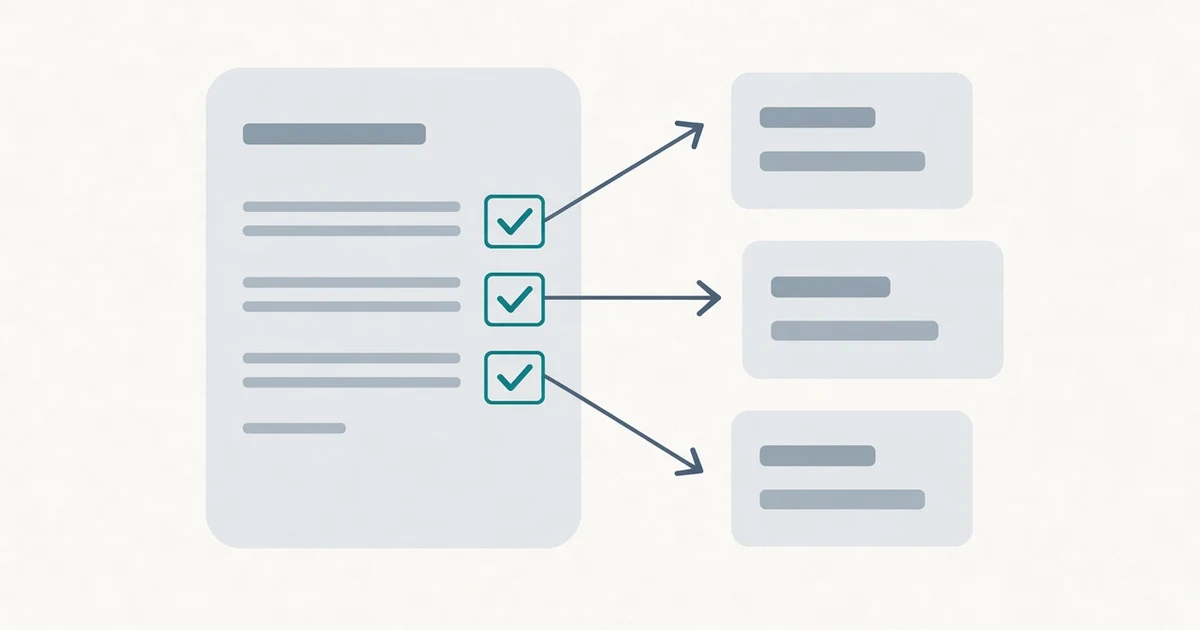
Meeting actions vanish when they stay buried in notes. Mark them as you write, process within an hour and send a short summary to everyone.

The questions buyers ask online reveal gaps the market has missed. Learn where to find them, how to group them and how to test the best ideas.

Look back before you plan ahead. This three-hour year-end review gathers the facts, finds the patterns and decides what to keep, stop and start.

Your current price is a guess. Run simple, fair price tests over time, measure profit not just sales and find the price that earns you more.
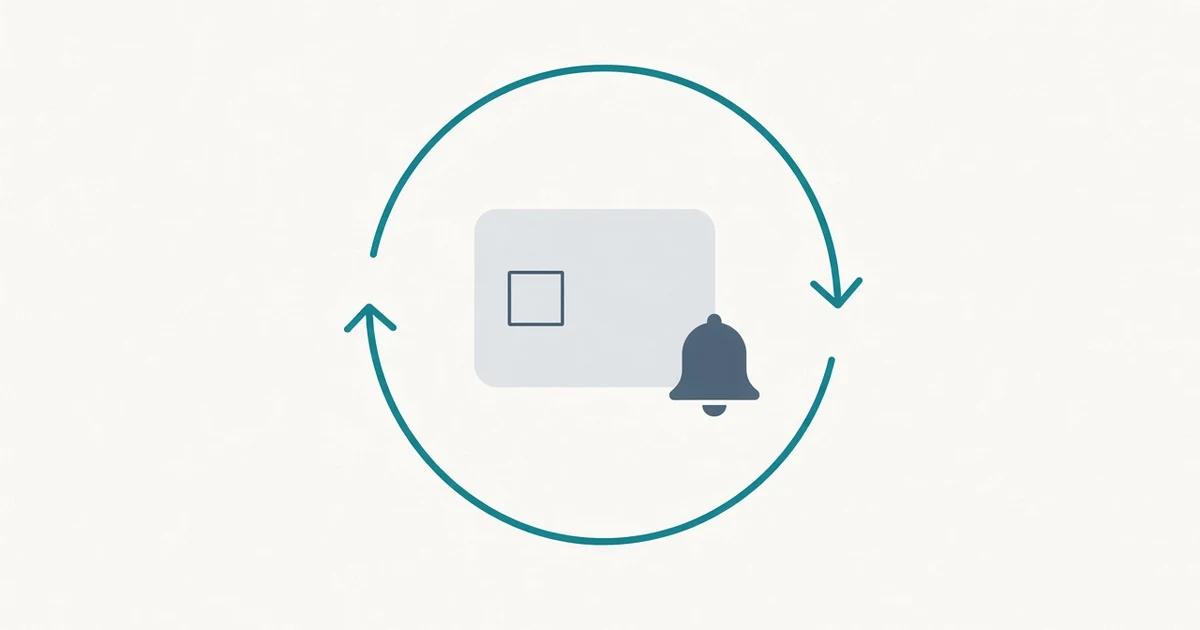
Recurring tasks often turn into overdue noise. Match schedules to reality, repeat from completion and prune often so they help instead of nag.
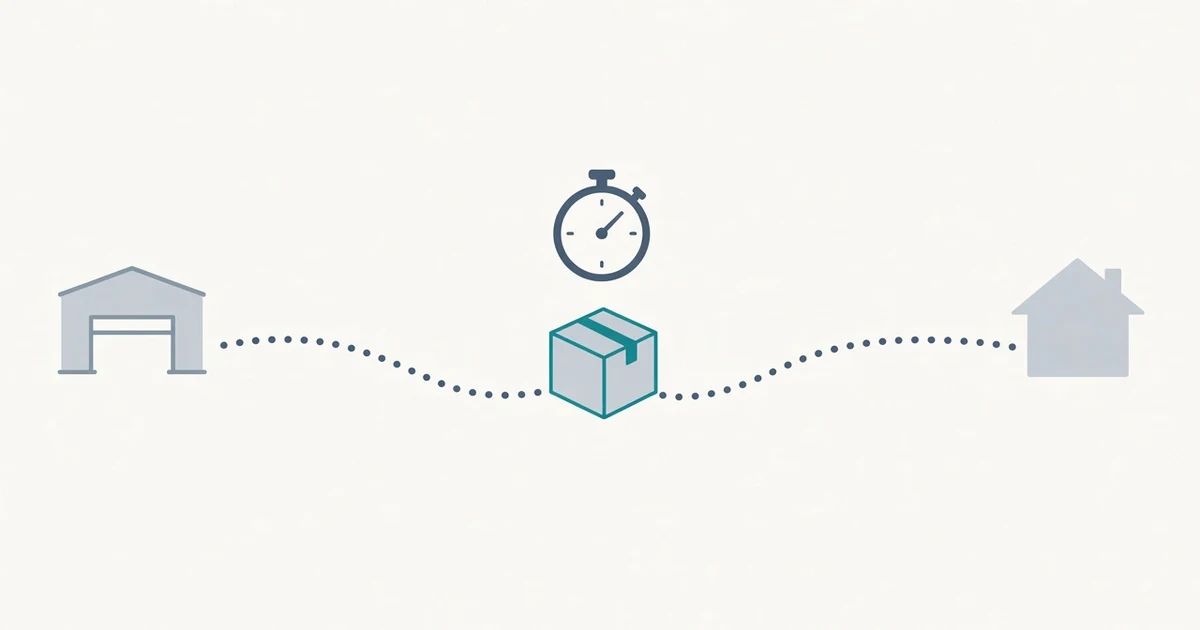
A great product that arrives late loses to an average one that arrives fast. Learn to measure, promise and communicate shipping times honestly.

Small admin tasks scattered across the week wreck your focus. Capture them as they appear and clear them all in one fixed weekly hour instead.
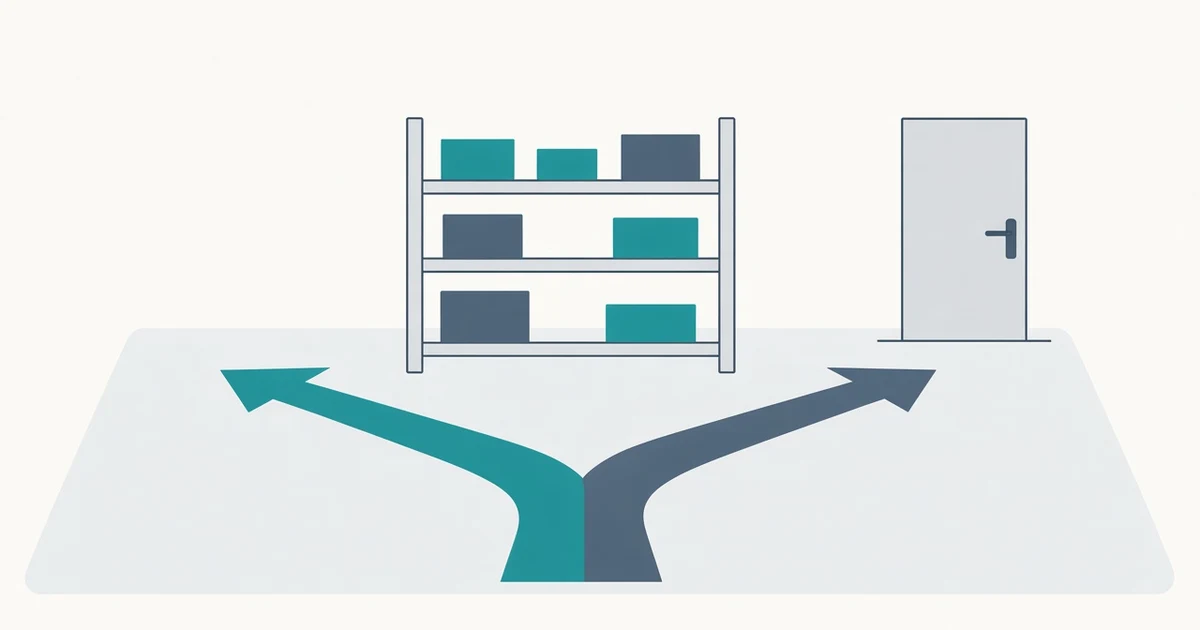
Slow sellers quietly drain cash. Measure weeks of stock, check demand and real margin, then choose to restock, shrink, relaunch or retire.
Personal projects drift because nobody writes the brief. Spend twenty minutes on outcome, scope, time box and first steps before you begin.

Buyers cannot touch your product, so photos do the selling. Use this checklist for main images, scale, lifestyle shots and details that cut returns.
Things you are waiting on live in your head and cause stress. A waiting-for list with follow-up dates keeps them visible and gets them back on time.

Discounts train buyers to wait. Well-built bundles raise order value and margin instead. Here is how to find, name and price bundles that sell.

Saying yes to everything hurts your work and your clients. Use this simple three-part reply to decline kindly, offer options and keep trust.

The supplier quote is not your cost. Add shipping, duties, fees and inspection to find your true landed cost and set a price floor you can trust.

Opening your task app first lets overdue items set your week. A ten-minute paper plan with three outcomes puts your priorities back in charge.

Sellers read listings for price and features. Buyers read them for trust and answers. Learn to read like a buyer and spot gaps competitors miss.

A someday list without rules turns into a guilt pile. Give every idea a review date, cap the list and let old plans go without regret.

Copying big retailers on Black Friday can cost small stores their margin. Here is what to skip this year and a simpler plan that protects profit.

Work thoughts follow you home when the day never really ends. This two-minute shutdown ritual closes open loops and sets up tomorrow's first task.

Switching apps rarely fixes productivity. Diagnose what actually fails, build a few simple habits and switch tools only for a real reason.
Replace bursts of research with a steady weekly routine: review, scan, screen, go deep on one idea and decide the next action in ninety minutes.

A deadline is outside your control and a due date is your own target. Separating the two gives you buffer, clarity and far less stress.

Revenue is not profit. Learn what breakeven ROAS is, how to calculate it from your margin and how to judge every ad against that line.

A week fell apart and the list keeps growing. Skip the guilt, take stock, reset instead of catching up and rebuild your routine gently.

AI makes product research faster, not final. Use it to screen ideas, check its reasoning, add human signals and keep the decision yours.

Side projects stall because urgency always wins. Give yours a fixed slot, a tiny first release and a visible next step while protecting client work.

A crowded market usually means proven demand. Learn how to stand apart, go narrow, check the economics and spot a market that is truly finished.

Long goal lists collapse by week six. Choose two or three goals by consequence, make them checkable and write down what you are not doing.

A practical timeline for small stores: work back from the last safe order date, forecast conservatively, secure supply and prepare your store.

A practical approach to automation for solo builders: write the process down, automate the routine route, keep people on decisions and make failures loud.

Do not learn that nobody wants your product after ordering a thousand. Run these small, cheap demand tests first and set your pass mark in advance.

Vague tasks get avoided. Start with a verb, name the object and define the finish line, so every item on your list is ready to start.

Angry reviews are a free roadmap. Gather them, sort the complaints, count what repeats and turn the biggest gaps into product improvements.

Scope creep drains freelancers. Learn how to define scope, price changes, offer choices and keep the client relationship friendly and fair.

You can estimate a niche's size for free using search interest, seller counts, communities and reviews. Here is a simple afternoon method.

Writing tasks down frees your mind, but a messy inbox buries you. Learn how to capture fast, process daily and keep your active list clean.

Treat your first supplier order like an interview. These questions cover samples, minimums, lead times, total cost, defects and payment terms.

A new client brief can feel overwhelming. Learn how to define the outcome, split the work and choose a first task you can start today.

By the time a product goes viral, the best window has often closed. Learn how to judge where a trend really is before you commit stock.

Strict time blocks break the first time your day changes. Priority windows give structure with room to bend. Here is how to set them up.

The supplier price is not your cost. Add shipping, fees, returns and ad spend to find your real margin before you commit to a product idea.

A to-do list only shows what is left. A done list shows what you finished. Here is why it improves motivation, estimates and weekly reviews.

Competitor reviews are free market research. Learn how to read middle ratings, spot repeated complaints and turn what you find into a stronger offer.

Context switching quietly eats your day. Learn what it really costs solo developers and how to batch, protect deep work and make returns cheaper.

Five questions to answer before you spend money on a product idea: who it is for, the problem, demand, the numbers and a cheap test.

Estimating new kinds of work is hard. This guide shows freelancers how to split jobs, give ranges and price unknowns without guessing blindly.

Seasonal and evergreen products behave very differently. Learn how to tell them apart and plan stock, cash and timing around each before you order.
Goals fade quietly. A short weekly review keeps them in view. Here is a five-step routine that takes fifteen minutes and fits any schedule.

A rising chart is not always a winning product. Learn the common ways trend data misleads sellers and how to read it properly before you buy stock.
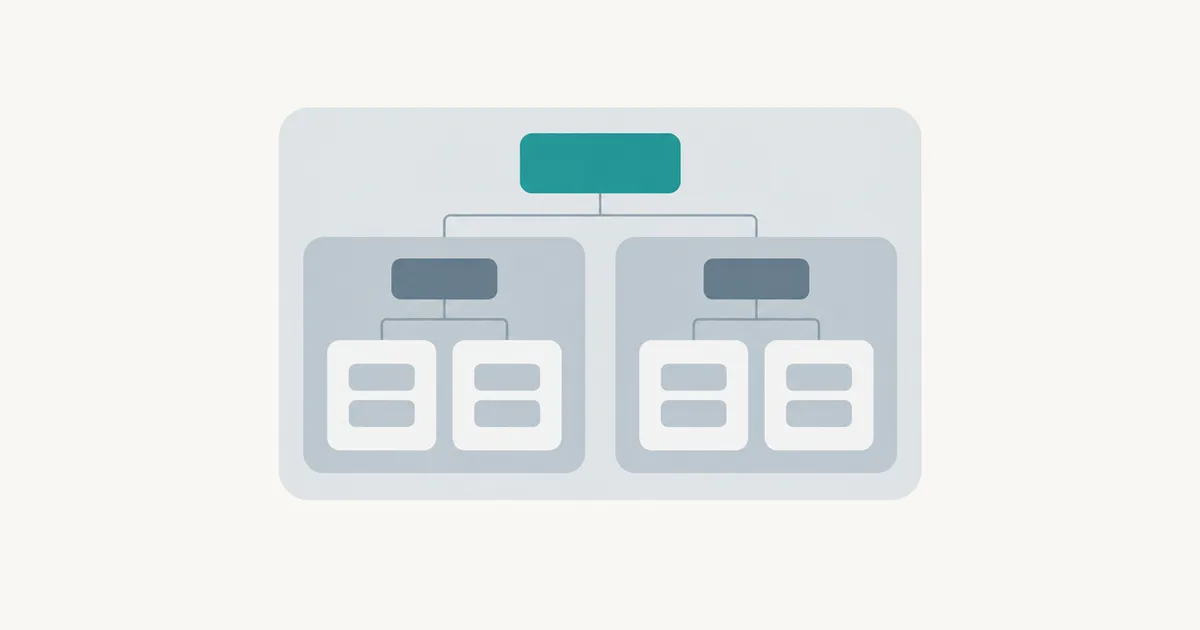
Flat lists hide the shape of your work. Here is how nesting subtasks makes big projects feel smaller and gives you a clear next step.

Discover how to identify and capitalize on fleeting e-commerce micro-trends to drive rapid sales growth. This guide covers strategies for quick adaptation.

Learn how targeted e-commerce market research can help you identify and focus on the most profitable selling channels for your products, maximizing sales and reducing wasted resources.

Discover how market research pinpoints the exact reasons customers abandon their carts, from hidden fees to complex checkouts, and how to fix them.

Why task estimates fail and how to fix them: break work down, use past data, add buffers and track progress to build a schedule you can actually finish.

Learn to diagnose underperforming products and identify actionable feature improvements using market research to boost your e-commerce sales.

Discover how e-commerce businesses can map and optimize their customer journey for higher conversion rates and superior customer experience.

Learn how targeted market research helps identify the causes of e-commerce returns, leading to strategies that cut costs and improve customer satisfaction.

Learn how to effectively manage multiple projects and diverse life roles without feeling overwhelmed, using smart task breakdown and progress tracking.

Discover how AI-powered task management helps you eliminate mental clutter by systematically capturing, tracking, and closing every open loop in your workflow.

Learn how targeted market research helps e-commerce businesses accurately forecast seasonal demand and optimize promotions for peak sales periods.

Advanced e-commerce market research reveals untapped profit opportunities hiding inside the product lines you already sell.

Discover how AI can intelligently balance your workload, prevent burnout, and foster a truly sustainable approach to productivity.

Stop guessing about new markets. Use data-driven market research to confidently expand your e-commerce business globally and capture new revenue.

Constant distractions and interruptions kill deep work. Audit your attention leaks, build focus blocks and recover fast after every interruption.

Dead stock ties up cash and warehouse space. See how product market research shows what will sell, so you buy leaner and stop inventory flops.

Uncover your e-commerce customer's deepest needs to craft offers they simply can't refuse.
Stop guessing why your e-commerce products aren't selling. Discover how targeted market research can identify critical gaps and reenergize your revenue streams.

A practical e-commerce competitor analysis: track rival pricing, products, channels and customer sentiment, then turn the gaps into your next win.
Time management fails when energy does. Map your energy peaks, match tasks to them and let AI schedule demanding work when you perform best.

Discover how continuous market research transforms stagnant e-commerce businesses into high-growth machines.

Validate an e-commerce product before you invest: verify market demand, map competitors and check audience fit so launches stop being guesswork.

Stop guessing what your customers want; harness market research to predict demand and drive explosive sales growth.

Find untapped e-commerce niches early. Spot emerging trends, competitor gaps and unmet demand, then own the niche before the market gets crowded.
Discover how artificial intelligence can transform your daily grind into a clear, purposeful path towards your most ambitious personal and professional objectives.

Discover how consistent competitor analysis and market monitoring equip e-commerce businesses to anticipate shifts and outmaneuver rivals for sustained growth.

Plans break when life gets unpredictable. See how an AI adaptive schedule re-prioritises tasks for you, so you never rebuild your whole day by hand.
Stop guessing prices. Analyse competitor pricing, customer willingness to pay and demand shifts to build a data-driven e-commerce pricing system.

AI task prioritization cuts through a long to-do list. Learn how impact, effort and your goals decide your next action, with a simple 3-step method.

Chasing trends leads to wasted stock. Learn to uncover unmet customer needs with market research and turn them into products and a niche you can own.

Decision fatigue drains your day before the real work starts. See how AI planning removes the constant choices and hands you a clear, ready-made plan.
Learn to tell a lasting product trend from a short-lived fad. Use market research to pick sustainable e-commerce products and avoid costly stock.
Transform your overwhelming to-do list into an effortlessly managed, prioritized plan with smart AI assistance.

Discover why your e-commerce products might be failing and the proven strategy to consistently identify winning items before you launch.

Multitasking costs you focus and time. Learn why single-tasking works better for solopreneurs and how to build focus blocks around your big rocks.
Discover how to maintain consistent progress towards your goals without sacrificing your energy or succumbing to burnout.

Chasing too many goals stalls them all. Learn the one-goal method: pick one core goal, cut the rest and build your day around it for steady progress.

Rigid plans shatter, but agile strategies ensure your goals thrive even when life throws curveballs.

Procrastination is usually overwhelm, not laziness. Use this 3-step framework to shrink the task, lower the barrier to starting and build a habit loop.

Stop the start-stop cycle. Discover the system for turning grand plans into consistent, daily actions that build unstoppable momentum towards your biggest goals.

Big goals feel heavy because they are vague. Learn to break any goal or project into daily steps, track true progress and keep your momentum going.

Eliminate scope creep by defining 'done' like an engineer, guaranteeing on-time project delivery.

Stop managing every detail. Build systems that run themselves and free your mind.

Stop feeling busy. Start being productive by identifying and eliminating the unseen drain on your time.