Freelancers: How to Know It Is Time to Raise Your Rates
A full calendar and instant yeses mean your rate is too low. Spot the signs, test with new clients and give existing ones fair, confident notice.
Mohamad Mouaz
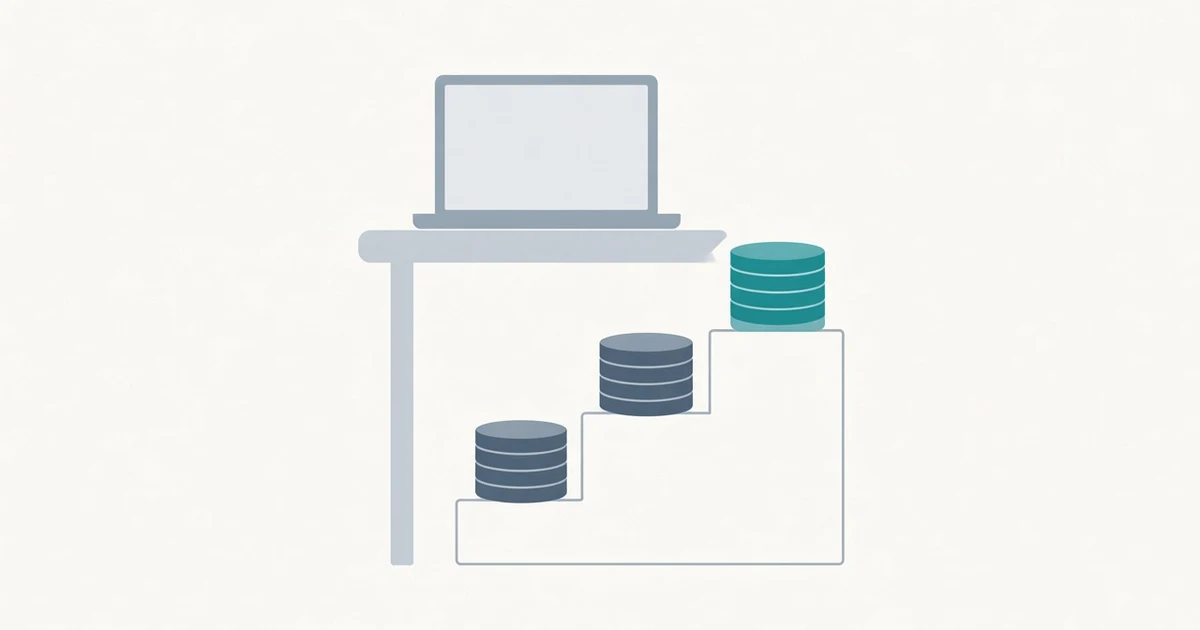
Raising your rates is one of the most uncomfortable parts of freelancing. You worry clients will leave. You worry you are not good enough to charge more. So you wait, and wait, and keep working for the same rate you set years ago.
Meanwhile, your skills have grown, your costs have risen and your schedule is full. Here is how to know when it is time to raise your rates, and how to do it without losing the clients you value.
Signs it is time
There is no perfect moment, but a few signals are hard to ignore.
Your calendar is consistently full. If you are turning work away or booking weeks ahead, demand for your time is higher than your price suggests.
Clients agree to your quotes instantly. If nobody ever pushes back, your price is likely below what the market will pay.
You have not raised rates in over a year. Costs go up every year. If your rate stays flat, you are effectively earning less each year.
Your work has improved. More experience, better results and new skills mean you deliver more value than when you set your current rate.
You feel resentful about certain projects. That feeling often means the price does not match the effort.
Know your real numbers
Before changing anything, work out what you actually earn per hour of work. Include the hidden time: emails, calls, revisions, admin and unpaid scoping. Many freelancers discover their real hourly rate is far lower than the number on their invoices.
Tracking time honestly for a few weeks is the easiest way to see this. If estimating is part of the problem, how to estimate work you have never done before can help you quote more accurately in the future.
Start with new clients
The easiest place to raise rates is with new clients. They do not know your old price, so there is nothing to compare against. Quote your new rate to every new enquiry from today.
This also gives you a safe test. If new clients accept the higher rate, you have evidence that the market supports it. That confidence helps a lot when you talk to existing clients.
Give existing clients notice
For current clients, give clear notice. Thirty to sixty days is usually fair. Send a short, professional message.
"From 1 February, my rate for new work will be X. I wanted to let you know well in advance so you can plan. I have really enjoyed working together and look forward to continuing."
No long apology, no lengthy justification. A brief, confident message is far better received than a nervous one.
Consider a gentle path for loyal clients
For long-standing clients you value, you might choose a smaller increase or a later start date. This rewards loyalty without leaving your rate stuck forever.
Be clear that it is a transition, not a permanent exception. "For existing projects, I will keep the current rate until the end of March, then move to the new rate."
Expect some clients to leave
Some clients will not accept the new rate. That is normal and, in many cases, healthy. The clients most sensitive to price are often the ones who also ask for the most revisions, pay late and push the scope.
Losing one or two of them can free up time for better-paying work. Before you raise rates, accept that some turnover is part of the process.
Raise your rates with your scope
Raising rates works best when your scope is also clear. If projects keep growing beyond what was agreed, a higher rate will not fix that. Get clear on what is included and how changes are priced. I wrote about this in handle scope creep without losing the client.
Consider value-based pricing
Hourly rates have a ceiling. The faster you get, the less you earn per project. For some work, it makes sense to move toward pricing by project or by outcome.
If a website you build will bring a client thousands in sales, pricing it by the value it creates often makes more sense than counting hours. You do not need to change everything at once. Try it on one type of project first.
Make it a yearly habit
Once you have done it once, it gets easier. Make a rate review part of your yearly planning. Every year, look at your demand, your costs and your skills, and decide whether to adjust.
A good time is during your yearly planning, when you are already looking at the bigger picture. Thinking long term like this is part of sustainable productivity.
Protect your time and energy
Raising your rates is not just about money. It is about having the time and energy to do your best work. When you are underpaid, you take on too much, and quality suffers.
In F4Goals I track client projects alongside my own goals, which makes it easier to see when my schedule is overloaded and my rate is too low. Whatever tool you use, pay attention to the signals. When your work is in demand, your price should reflect it.
Frequently asked questions
- What are signs it is time to raise my rates?
- A consistently full calendar, turning work away, clients accepting quotes without pushback and skills that have grown since you set your price.
- Who should get the new rate first?
- New clients. They have no old price to compare against, so quote the new rate to every new enquiry.
- How much notice should existing clients get?
- Thirty to sixty days is usually fair, sent as a short, professional message with the date the new rate starts.
- What if some clients leave?
- That is normal. Price-sensitive clients often demand the most, and losing a few can free time for better work.
Streamline your output with
F4Goals
A high-speed organization system designed for those who value intentionality and execution. Built to keep your goals in focus and your tasks moving forward.