Beyond Guesswork: The E-commerce Secret to Maximizing Profit Margins with Data-Driven Pricing
Stop leaving money on the table; discover how market intelligence transforms your pricing from guesswork to a predictable profit engine.
Mohamad Mouaz
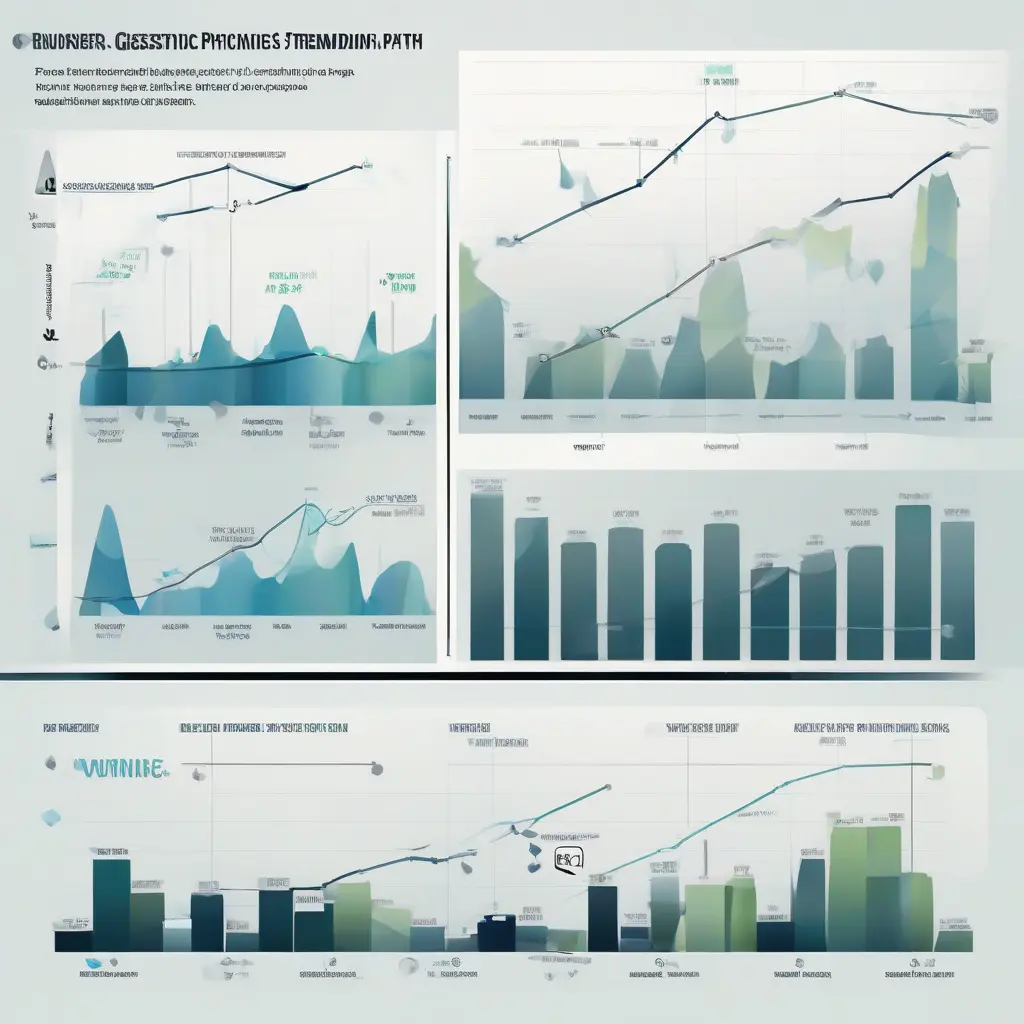
Are you just guessing at your prices? Most e-commerce businesses are. They set a price based on cost-plus, a quick competitor check, or even a gut feeling. But this guesswork isn't just inefficient; it’s actively draining your profits and stunting your growth.
The Hidden Cost of Guesswork Pricing
Imagine pricing your best-selling product too low. You're busy, selling units, but each sale leaves significant profit on the table. You might even feel successful, yet your bank account isn't reflecting the effort. On the flip side, pricing too high means fewer sales, sluggish inventory, and lost opportunities. Both scenarios lead to the same painful outcome: squeezed margins, wasted marketing spend, and vulnerability to agile competitors.
This isn't just about losing a few dollars; it's about missing out on exponential growth. It creates a chaotic cycle of trial-and-error that eats into your time and resources, preventing you from scaling effectively. You're stuck in a reactive mode, constantly adjusting to market shifts instead of proactively leading.
Why Market Intelligence is Your Pricing Superpower
The gap between chaotic pricing and systematic profit maximization is bridged by one crucial element: market intelligence. This isn't just about knowing what your competitors charge; it's about understanding the entire ecosystem of supply, demand, customer perceived value, and competitor strategy. When you have this data, pricing transforms from a coin toss into a precise, strategic decision.
Market intelligence allows you to:
* **Pinpoint Optimal Price Points:** Discover the sweet spot where demand and profitability intersect.
* **Understand Customer Willingness to Pay:** Uncover what your customers truly value and are willing to pay for it.
* **Identify Competitor Vulnerabilities:** Find gaps in their pricing strategies and position your products for maximum impact.
* **React Dynamically to Market Shifts:** Adjust prices in real-time to capitalize on trends, seasonality, or economic changes.
It’s about moving from reacting to predicting, from guessing to knowing. This intelligence isn't just theoretical; it's actionable data that directly impacts your bottom line.
Step 1: Analyze Competitor Pricing (Don't Compete, Outsmart)
Most businesses glance at a few competitors. A data-driven approach means a deep dive. What are your direct competitors charging? What about indirect ones? Look beyond the base price: Are they offering bundles? What's their promotion frequency? Do they have loyalty programs impacting perceived value? This analysis reveals more than just numbers; it uncovers their strategy. Use this to identify where you can offer superior value or find uncontested pricing tiers. Don't just match prices; outsmart them by understanding their position relative to yours.
Step 2: Understand Customer Willingness to Pay (It's More Than You Think)
Your customers aren't just buying a product; they're buying a solution, a feeling, a transformation. How much value do they perceive in your offering? Market research tools can help you segment your audience and conduct targeted surveys or analyses to gauge their willingness to pay for specific features, benefits, or brand experiences. Often, businesses undervalue their own products. Data helps you align your price with the true perceived value, sometimes allowing for significant, justified price increases.
Step 3: Monitor Market Trends & Demand Shifts (Stay Agile)
The e-commerce landscape is dynamic. What's hot today might be cold tomorrow. Seasonality, economic shifts, new product launches, or even viral social media trends can rapidly change demand for your products. A data-driven pricing system continuously monitors these shifts. This allows for dynamic pricing adjustments, ensuring you're always capitalizing on peak demand and smartly navigating troughs. Staying agile means you never miss a revenue opportunity and always maintain optimal stock levels.
Building Your Data-Driven Pricing System
Implementing a data-driven pricing strategy requires a commitment to continuous market intelligence. It means using the right tools to collect, analyze, and act on market data regularly. It’s not a one-time fix but an ongoing process that refines your approach and solidifies your market position. This systematic approach transforms pricing from a profit drain into a powerful profit lever.
Do you know any e-commerce entrepreneurs struggling to optimize their profit margins and wanting to maximize their revenue consistently, without endless price wars? If so, let me know.
Streamline your output
with F4Goals
A high-speed organization system designed for those who value intentionality and execution. Built to keep your goals in focus and your tasks moving forward.